-
The Voice of Echo
Welcome and thank you for visiting!
Echo Music and Arts Foundation exists to make arts and music opportunities accessible for EVERY CHILD. We provide tangible financial support for instruments, supplies, attire and program costs so that youth can fully participate in music and arts education programs available to them.Appreciating Every Sound: Why Non-Traditional Music Education Matters.
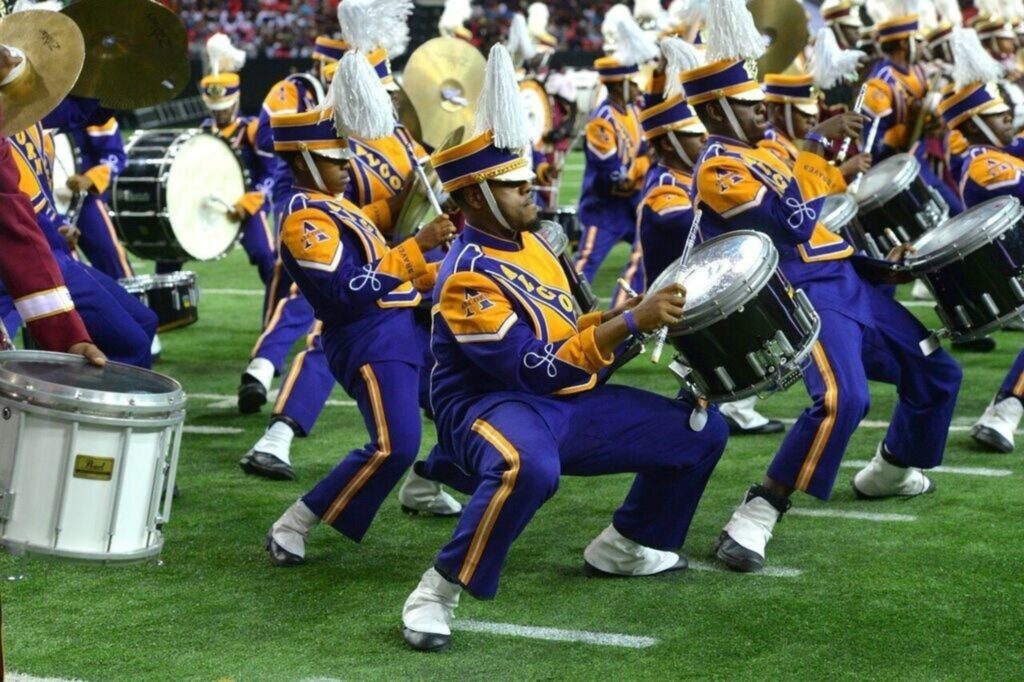
For the first time in HBOB history, an eight-band drumline closed the show (PRNewsFoto/Honda) For many underserved children, their first experience with music doesn’t begin with a violin lesson or a piano recital.
It begins with a beat.
A cadence in the hallway.
A drumline at a football game.
A praise dance at church.
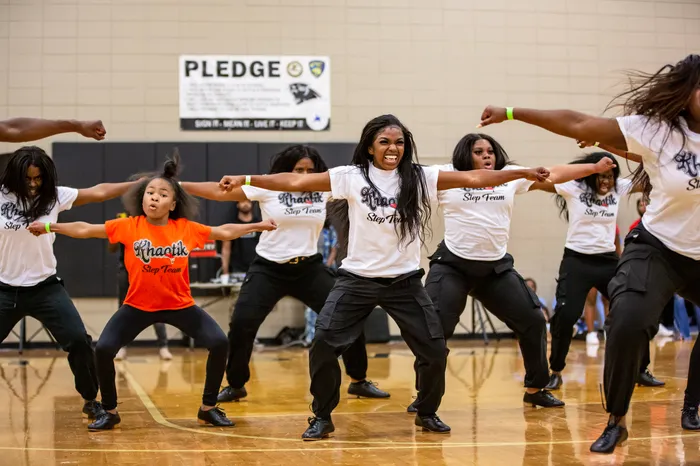
A step routine at a pep rally.
A rap verse scribbled in the margins of a notebook.And yet, too often, these non-traditional forms of musical expression are overlooked — treated as extracurricular, informal, or even less valuable than classical training. But the truth is, these styles require discipline, creativity, collaboration, memorization, timing, physical endurance, and deep emotional intelligence.
They are music.
They are art.
They are education.Programs rooted in marching band, jazz, hip-hop, gospel, spoken word, and contemporary performance often serve as the most accessible entry points for young people — especially those who may not have access to private lessons or formal conservatory pathways. These art forms reflect students’ lived experiences and cultural identities, helping them feel seen, heard, and capable.
When we affirm these styles, we affirm the child behind them.
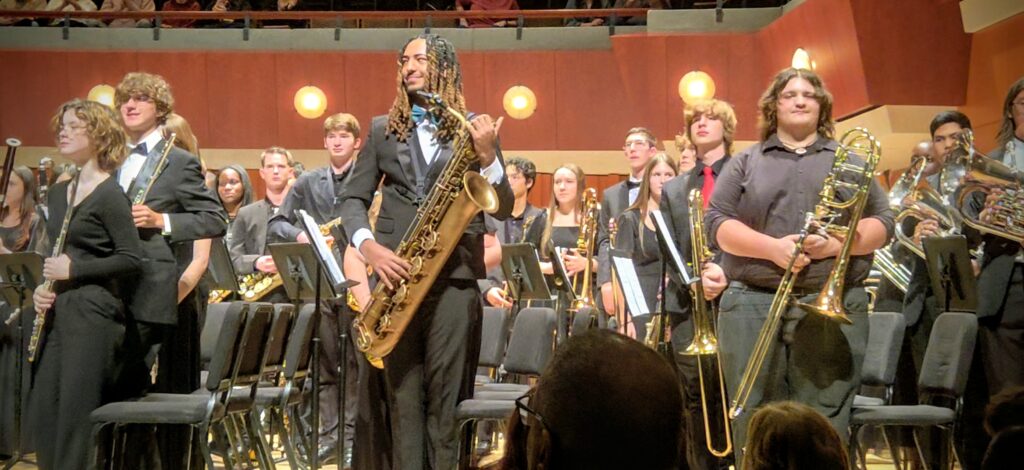
At Echo Music and Arts Foundation, we believe that music education doesn’t have to look one way to be meaningful. Supporting uniforms for a step team, reeds for a saxophonist in jazz band, or attire for a praise dance ministry is just as important as funding traditional lessons — because every young artist deserves the chance to grow through the art form that speaks to them.
Talent lives everywhere.
Opportunity does not.And sometimes, appreciation is where access begins.
Real Tangible Support